Two members of the Silvador field team walking through an oak stand

PERMANENCE

FOREST HEALTH

VCS 4511

Reading the signs. Caring for what comes next.

Reading the signs. Caring for what comes next.

How we find, remove and monitor drought-killed oak, and keep the forest’s carbon accountable.

By the Silvador forest team · Nov 2026 · 6 min read

● DETECTED · DRONE SURVEY

1,243

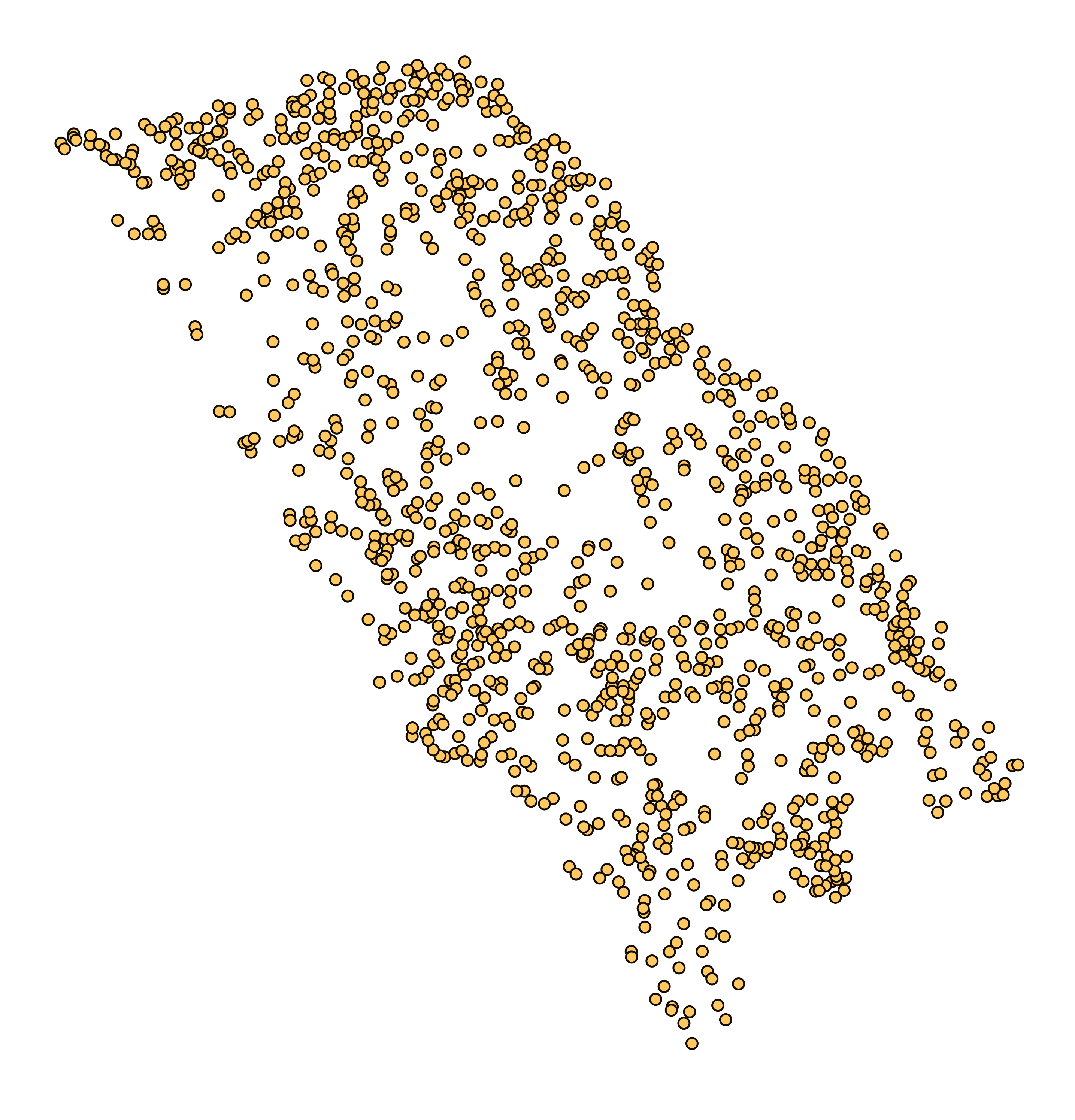
dry-crown candidates screened in compartment 36 C

28.05.2026

19.7 HA · SESSILE OAK

Two members of the Silvador field team walking through an oak stand

PERMANENCE

FOREST HEALTH

VCS 4511

Reading the signs. Caring for what comes next.

How we find, remove and monitor drought-killed oak, and keep the forest’s carbon accountable.

By the Silvador forest team · Nov 2026 · 6 min read

● DETECTED · DRONE SURVEY

1,243

dry-crown candidates screened in compartment 36 C

28.05.2026

19.7 HA · SESSILE OAK

993 m³

993 m³

Removed under permit

Two APV permits, every stem traced in SUMAL

~1,900 m³

~1,900 m³

Dead oak mapped

Field survey across six compartments, June 2026

136

136

Permanent plots

400 m² plots, re-measured with handheld LiDAR

14,334

14,334

Buffer VCUs

Held in Verra’s pooled buffer against reversal risk

IN 30 SECONDS

What happened. Drought killed sessile oak in part of the VCS 4511 forest. Compartment 36 C was hit hardest, with about 1,256 m³ of dead trees.

What we did. Drone screening, field checks with an independent forest management company, then 993 m³ removed under two permits. Living trees, habitat trees and seedlings stayed.

How it is checked. Every stem is traced in SUMAL, volumes go to Verra, 14,334 units sit in Verra’s buffer, and the stand is monitored by drone, plots and sensors.

01 / THE RISK

A changing climate. A closer look at the forest.

A changing climate. A closer look at the forest.

A changing climate. A closer look at the forest.

Prolonged drought weakens trees and opens them to insects and disease, and across Europe it is changing how forests are managed. Romsilva reported almost 165,000 hectares affected by drying in the first nine months of 2025 (affected area, not all of it dead).

Prolonged drought weakens trees and opens them to insects and disease, and across Europe it is changing how forests are managed. Romsilva reported almost 165,000 hectares affected by drying in the first nine months of 2025 (affected area, not all of it dead).

99%

99%

Broadleaf, not spruce.

Sessile oak, beech and hornbeam, with no spruce. Europe’s large bark-beetle collapses happen in spruce. Our risk is slower and stand by stand, so it can be found and managed early.

02 / WHAT HAPPENS IN A STAND

What changes. What stays.

What changes. What stays.

What changes. What stays.

An illustrated stand: three dead trees found, felled and taken out, while the living trees, the habitat tree and the seedlings stay.

An illustrated stand: three dead trees found, felled and taken out, while the living trees, the habitat tree and the seedlings stay.

Explanatory illustration · not a reconstruction of 36 C

FOREST MANAGEMENT / EXPLAINED01 — ASSESS
ILLUSTRATIVE SCENARIO

Identify the signs of decline.

Dry crowns are assessed alongside the living stand and habitat features.

Retained habitat treeRegeneration shown as a possible future outcome, not a measured result.SCROLL ↓

03 / DETECTION

Three ways of looking. One picture of the stand.

Three ways of looking. One picture of the stand.

Three ways of looking. One picture of the stand.

Satellites show the trend across the project, drones show single crowns, and the field team confirms what the images suggest.

Satellites show the trend across the project, drones show single crowns, and the field team confirms what the images suggest.

DETECTION LAYERS

FROM WHOLE PROJECT TO SINGLE TREE

SATELLITE

98.77%

of 1,522.97 ha stable or greening in Sentinel-2 vegetation index, 2019–2022. Repeated every year.

DRONE

2 surveys

May and September 2026, every crown in 36 C mapped before and after, then screened by our own software.

FIELD

~1,900 m³

of dead and dying oak confirmed and measured on the ground across six compartments.

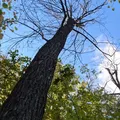
A bare oak crown among living foliage, seen from below

FIELD OBSERVATION

45.17391, 26.49733

Two neighbouring tree crowns viewed from below

CROWN CONDITION

45.17448, 26.49539

Sparse foliage in an oak crown

A CLOSER ASSESSMENT

45.17452, 26.49663

04 / THE PROTOCOL

A written protocol. Six steps, every time.

A written protocol. Six steps, every time.

A written protocol. Six steps, every time.

A written drought plan tells us what to do when trees start dying. The same six steps run every time.


We never cut on our own: our forest engineers select the dead trees, an independent, private forest management company marks each one and issues the felling permit, and the timber is tracked in Romania’s national register.

WHAT WE DO WHEN TREES DIESource: Silvador drought plan
  1. 01

    Detect

    Satellites, drone flights and forest sensors show where trees are struggling.

    28 May1,243 trees flagged from the air
  2. 02

    Verify

    Our field team walks the stand and checks each flagged tree.
    June1,256 m³ of dead wood confirmed
  3. 03

    Decide

    Each dead tree is removed, left for wildlife, or watched.

    ◆JuneWorst-hit of six areas checked
  4. 04

    Remove

    Our forest engineers select the dead trees. An independent forest management company marks them and issues the felling permit.

    INDEPENDENT CHECK
    ⟶Jun – Aug993 m³ removed under permit
  5. 05

    Record

    Removed wood is subtracted from our carbon accounts and reported to Verra.

    INDEPENDENT CHECK
    ◷NextIn our next report to Verra
  6. 06

    Monitor

    We fly the drone again and follow how the forest grows back.
    6 Sep60 trees left to re-check
↺ Each survey restarts the cycle

05 / COMPARTMENT 36 C

The same forest. Two moments in time.

The same forest. Two moments in time.

The same forest. Two moments in time.

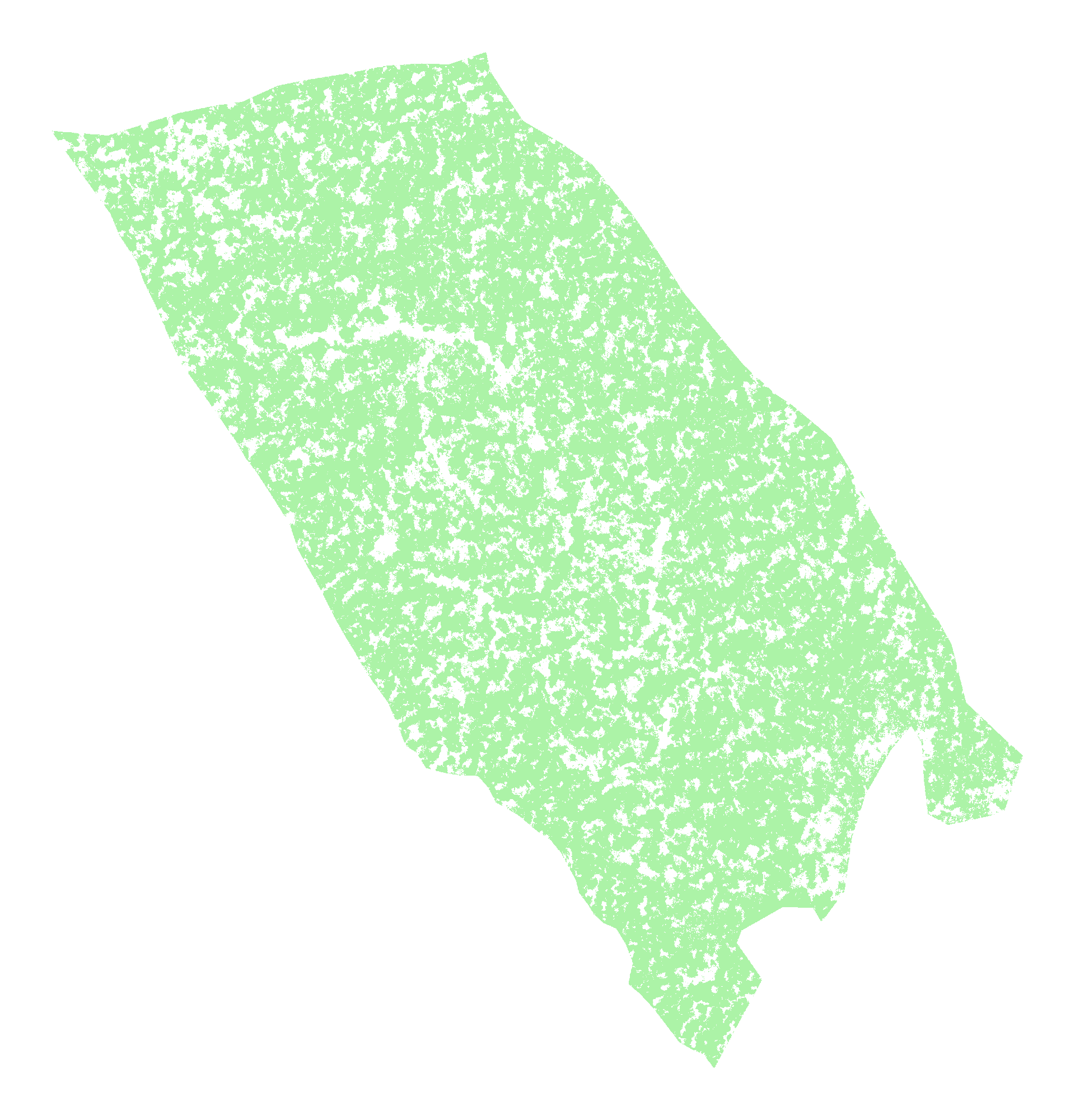
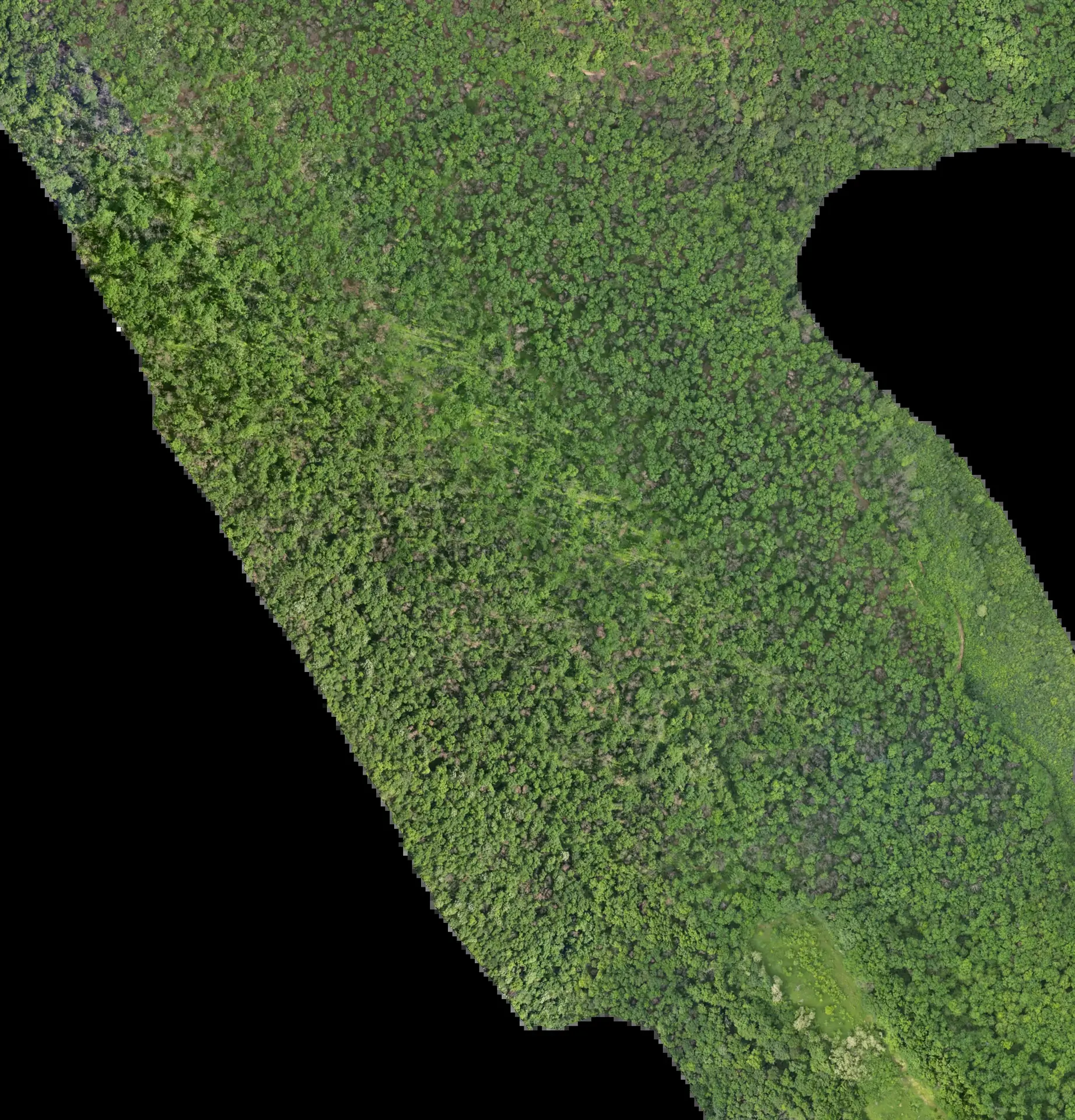
Compartment 36 C is a 75-year-old sessile oak stand in UP I Forest Capital, inside the VCS 4511 project area, and the worst hit in the June survey. Scroll from the May survey to September; the compartment boundary stays fixed.

Compartment 36 C is a 75-year-old sessile oak stand in UP I Forest Capital, inside the VCS 4511 project area, and the worst hit in the June survey. Scroll from the May survey to September; the compartment boundary stays fixed.

19.7 ha

Stand area

1,256 m³

Dead, June estimate

→ 993 m³

Removed under permit

16 Jun · 12 Aug

Two operations
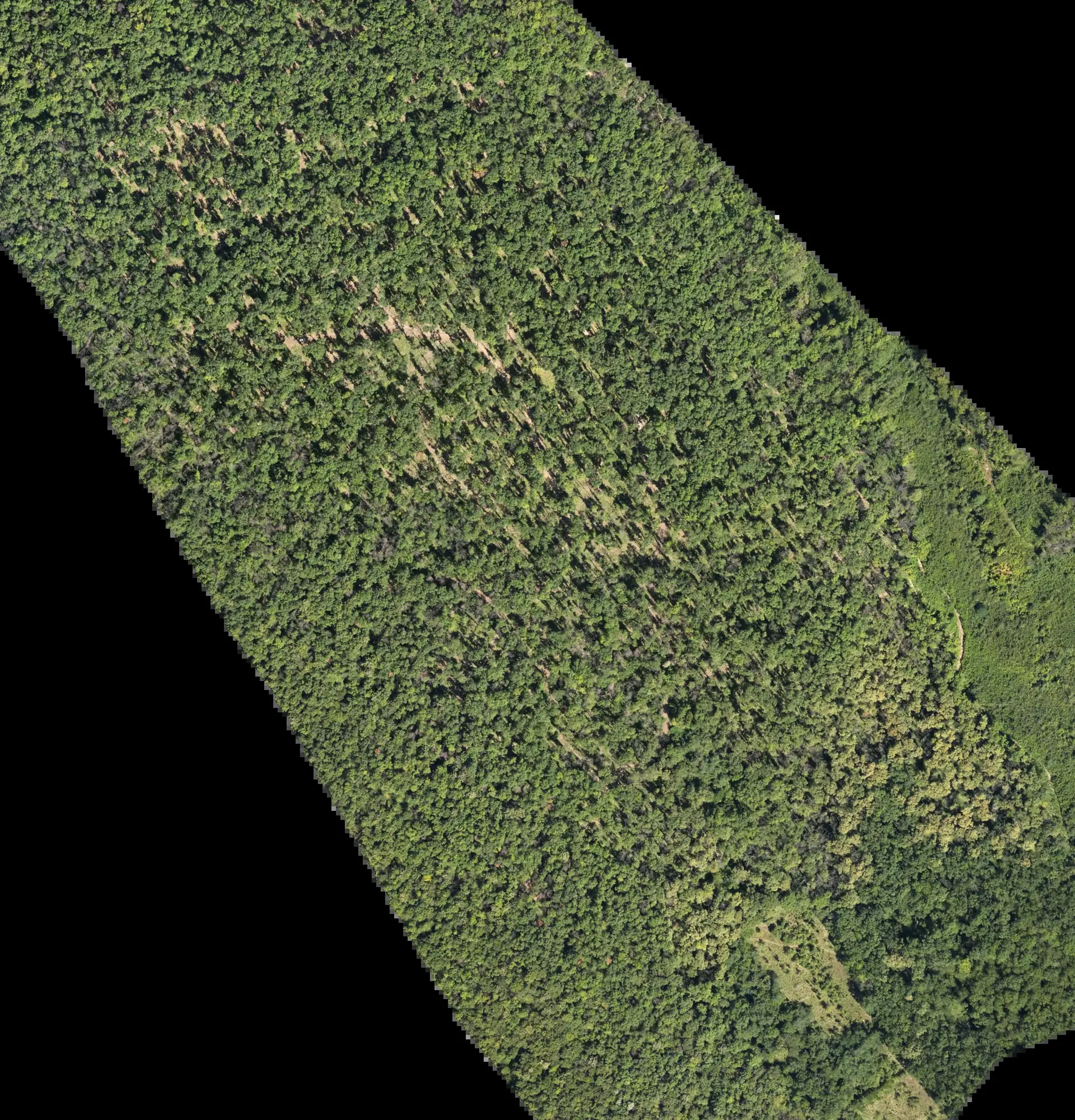
COMPARTMENT 36 C · UP I FOREST CAPITALBEFORE / MAY
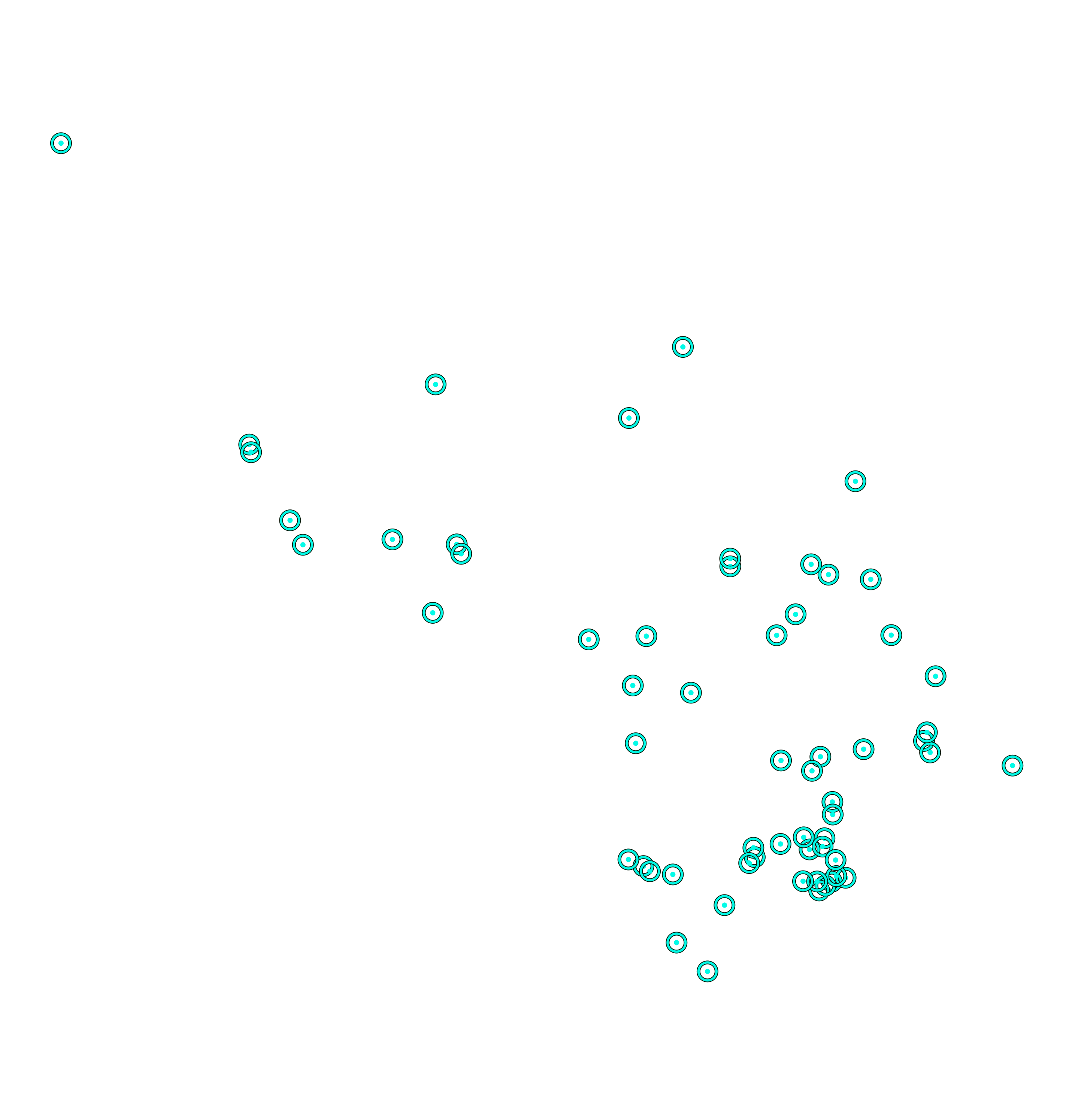
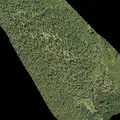
Drone survey after the intervention, 6 September 2026Living canopy kept, highlighted in green from the September image60 bare crowns still standing, flagged for a field re-check
Drone survey before the intervention, 28 May 20261,243 automated dry-crown candidates, May
Fixed GIS boundary of compartment 36 C
Tap a numbered pin · or try the lens ◎
BEFORE
28 MAY 2026
AFTER
6 SEPTEMBER 2026
↔
100%

Reading the images. May has spring leaves and September late-summer canopy, so compare shapes, not colour: amber crowns that are gone, green canopy that stays, gaps where light reaches the floor. Amber marks are a screening step, not a felling list, and cyan crowns are ones we return to, not trees we missed.

01 / LIGHT

Light reaches the next generation.

Seedlings were already growing under the dying crowns. Where those crowns came out, light now reaches them.

02 / FOREST HEALTH

Less breeding ground for oak beetles.

The oak splendour beetle breeds in drought-weakened oaks. Removing badly affected trees is standard practice, though how much it slows outbreaks is still studied. Review ↗

03 / SAFETY

Safer for the people who work here.

Standing dead oaks drop heavy limbs without warning. Taking them down makes every later field visit safer.

04 / ACCOUNTABILITY

Every stem on the record.

993 m³ under two APV permits, every stem traced in SUMAL. Habitat trees and marked deadwood stay standing.

06 / SENSORS

A forest that reports. Every hour.

A forest that reports. Every hour.

A forest that reports. Every hour.

Images show what has already happened to a crown; sensors record the conditions that come before it. Since March 2026 our Live Carbon station has measured the forest continuously: four CO₂ sensors between 6 and 14 metres up a mast through the canopy, three soil-moisture probes and a weather station.


Readings travel over a low-power radio network and become an hourly CO₂ balance for the stand. Soil moisture and air dryness are inputs, so the same record shows drought stress building through a season.

Drone view of the Live Carbon mast standing in the forest

The Live Carbon mast in the stand, seen from the drone. How it was built ↗

LIVE CARBON · LATEST HOURLY READINGLoading…
SOIL MOISTURE—
AIR TEMPERATURE—
HUMIDITY—
CO₂ IN CANOPY—
NET CO₂ FLUX, LAST HOUR—
SENSORS REPORTING—
Negative flux at night is normal: trees respire and do not photosynthesise in the dark.Open Live Carbon ↗

07 / PERMANENCE

Permanence is an ongoing commitment.

Permanence is an ongoing commitment.

Permanence is an ongoing commitment.

Permanence means a forest’s climate benefit stays in place over time. Fire, pests, disease and drought can put it at risk, so the project carries insurance: at every issuance, Verra holds back part of the units in its pooled buffer, a reserve that covers losses across all forest projects.

Permanence means a forest’s climate benefit stays in place over time. Fire, pests, disease and drought can put it at risk, so the project carries insurance: at every issuance, Verra holds back part of the units in its pooled buffer, a reserve that covers losses across all forest projects.

VCS 4511 UNITS HELD IN VERRA’S POOLED BUFFERSource: Verra Registry
1st verification · 6,824
2nd verification · 7,510
6,824Withheld at the first issuance (11%)
7,510Withheld at the second issuance, 16 Oct 2026 (20%)
14,334Units in reserve against reversal

Reported, not hidden.

Any loss event goes to Verra within 30 days. Avoidable losses are repaid in full before issuance resumes; unavoidable ones are covered by the reserve.

Deadwood stays where it counts.

Habitat trees and deadwood are kept under FSC rules, and all our forest land is FSC certified. FSC Annex K ↗

Measured again, not assumed.

136 permanent plots are re-measured with LiDAR, the 2022 set again by 2027.

08 / ADAPTATION

The next generation. Rooted in this forest.

The next stand is already taking root. Our job is to care for it.

Oak seedlings were already growing before the work. We protect them and help them become the future stand as older trees decline.

Photographs taken before the work. Follow-up visits will measure survival and growth.

EUFORGEN · Genetic diversity & climate adaptation ↗FISE · Understanding natural regeneration ↗

WHAT COMES NEXT

The next visit matters too.

The next visit matters too.

The next visit matters too.

Next drone flight

Same compartments, same boundary, compared against May and September 2026.

Same compartments, same boundary, compared against May and September 2026.

Regeneration checks

Survival and growth of the seedlings shown above, recorded under our drought plan.

Survival and growth of the seedlings shown above, recorded under our drought plan.

Plot re-measurement

The 2022 permanent plots are re-measured by 2027.

The 2022 permanent plots are re-measured by 2027.

MORE NEWS

SOURCES

1. Silvador, Forest Climate Resilience and Drought Adaptation Plan (FCRDAP) and SOP-SCA-FH-01.

2. Silvador drone surveys of compartment 36 C (DJI Matrice 30T), 28 May and 6 September 2026; automated dry-crown screening (Python, QGIS).

3. Silvador field survey of compartments 36–40, June 2026; APV permits for 36 C, 16 June and 12 August 2026.

4. Verra Registry, VCS 4511: buffer contributions at the first and second issuance (16 October 2026).

5. Silvador Live Carbon station, hourly readings, live at silvador.ro/livecarbon.

6. Sentinel-2 vegetation index analysis, 2019–2022, 1,522.97 ha.